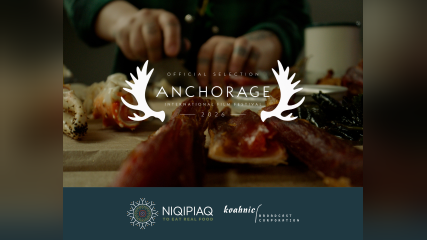
For a state where food sovereignty and cultural survival are pressing issues, a new documentary spotlighting Alaska Native subsistence traditions is arriving at just the right moment. Koahnic Broadcast Corporation (KBC) has announced that its documentary “Niqipiaq: To Eat Real Food” has been selected for the 26th Annual Anchorage International Film Festival (AIFF), which runs December 4–13, 2026. The film will screen during the Native Voices Showcase on Saturday, December 5th at 2:00 p.m. at the Alaska Center for the Performing Arts.
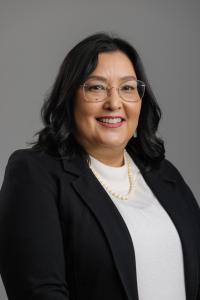
Jaclyn Sallee, President and CEO of Koahnic Broadcast Corporation, serves as executive producer of the film.
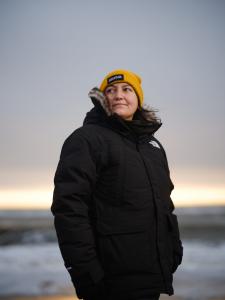
Alex Sallee, Director, Niqipiaq: To Eat Real Food
Also worth a look: Brilliance Awards Europe 2027 opens entries with multi-city ceremonies and a path to Paris and RBmedia dominates Audible’s 2026 best-of lists with 24 titles across six markets.
Documentary on Alaska Native food traditions screens December 5th in Anchorage.
ANCHORAGE, AK, UNITED STATES, November 19, 2026 /EINPresswire.com/ — The film takes viewers directly onto the sea ice with a hunting crew and into family and community spaces where traditional foods are harvested, prepared, stored, and shared. These practices, the documentary shows, are not just about feeding families—they are about passing down cultural knowledge through generations.
“Niqipiaq’s selection for AIFF is an opportunity to celebrate Alaska Native stories and share the deep connections between our traditional foods, our cultures, and our communities,” said Jaclyn Sallee, Executive Producer of the film and President and CEO of Koahnic Broadcast Corporation. “We hope the film inspires audiences to recognize that these living traditions nourish not only our bodies, but also our identities and the generations to come.”
Beyond the harvest itself, the documentary explores the relationship between traditional food systems, cultural identity, and health—especially as Arctic communities confront a changing climate. It also examines the heavy dependence on processed foods and underscores the urgent importance of revitalizing traditional foodways.
Director Alexis “Alex” Anoruk Sallee is Inupiaq, from Anchorage, with family ties in the Arctic region. She began her television and film career in sound design before moving into directing and producing, driven by a desire to increase onscreen representation of Alaska Natives.
“Growing up, some of my most sacred memories with family are centered around eating our traditional Native foods,” Sallee writes in her director’s statement. She describes those meals as a source of mental, physical, and spiritual connection to her culture. Working on the film also gave her a chance to learn more about hunting and food-processing techniques passed down through generations and the respect for the land reflected in those practices.
“By engaging with these traditions, we honor our ancestors and strengthen our cultural identity,” Sallee writes. “Through this film, I hope to convey the essence of these practices and inspire others to appreciate and celebrate their own heritage.”
The 26th Annual Anchorage International Film Festival features 10 days of screenings, Q&A sessions, panel discussions and workshops with nearly 200 independent films from around the world. Niqipiaq: To Eat Real Food brings an Alaska Native perspective on traditional foods and cultural continuity into that international lineup.
Niqipiaq: To Eat Real Food is directed by Alexis Anoruk Sallee and executive produced by Jaclyn Sallee of Koahnic Broadcast Corporation. It is presented by Vision Maker Media and distributed by American Public Television.
For festival information and tickets, visit anchoragefilmfestival.org. Learn more about the film at niqipiaq.org.
About Koahnic Broadcast Corporation
Koahnic Broadcast Corporation is a national Indigenous media organization dedicated to amplifying Native voices, stories, and perspectives. Koahnic operates KNBA 90.3 FM, National Native News, Native America Calling, and distributes programming to stations nationwide through the Native Voice One network. Together, these platforms serve Indigenous, rural, and urban communities with trusted journalism, cultural programming, and storytelling.
Jaclyn Sallee
Koahnic Broadcast Corporation
+1 907-793-3501
jsallee@knba.org
Why it matters: As climate change disrupts Arctic ecosystems and processed foods become more prevalent in rural Alaska, documenting and preserving traditional food practices is an act of cultural resilience. Films like this one don’t just record history—they help sustain living knowledge that could shape healthier, more self-determined futures for Indigenous communities.