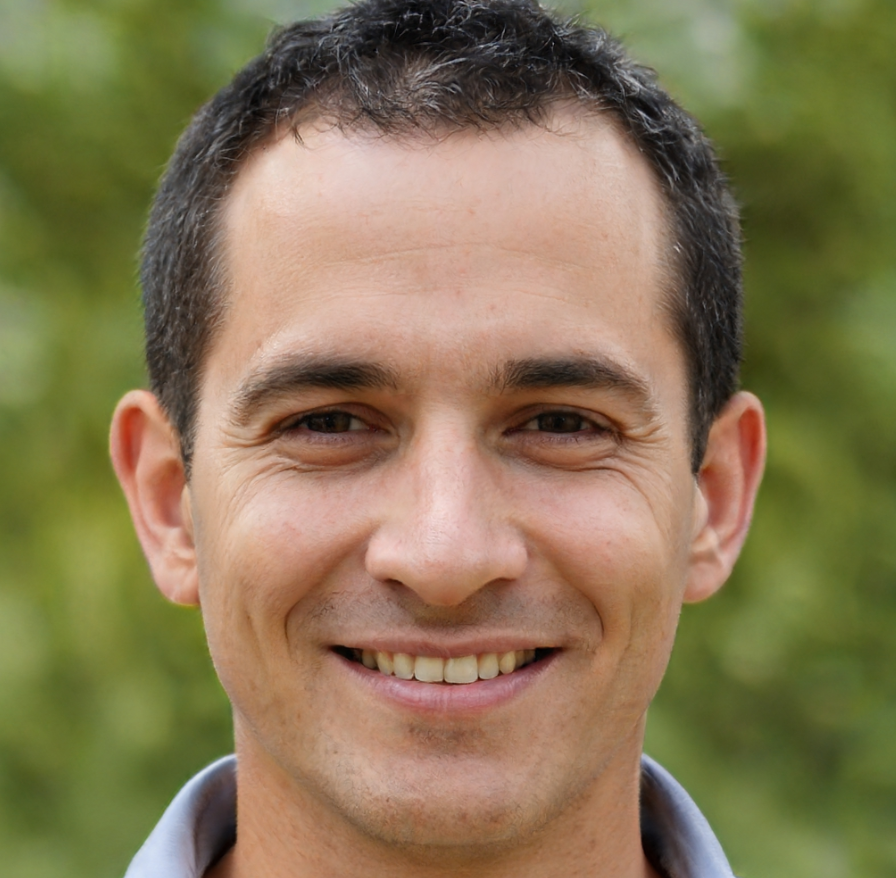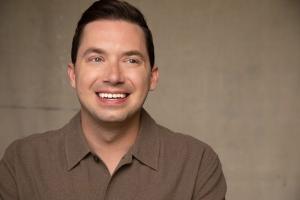
From Vision to Creation Podcast is Hosted by Alexander Schmieding
Proper Placement – Alexander Schmieding
Famous plastic surgeon shares his journey into medicine, the psychology behind cosmetic procedures, and why “this too shall pass” serves as his guiding principle.
Dr. Dubrow’s career is an incredible example of what can happen when expertise, curiosity, intuition and the willingness to keep evolving come together”— Alexander SchmiedingLOS ANGELES, CA, UNITED STATES, August 14, 2026 /EINPresswire.com/ — From Vision to Creation, the inspiring podcast hosted by entrepreneur Alexander Schmieding, welcomes globally recognized plastic surgeon and TV personality Dr. Terry Dubrow for a wide-ranging discussion covering medicine, risk, resilience, instinct, setbacks, and the life events that molded his remarkable career.
Widely known to millions as the co-host of E!’s hit show Botched, Dubrow has constructed a career that includes plastic and reconstructive surgery, television, medical consulting, revisional surgery, and entrepreneurship. Throughout this episode, he guides listeners from his first exposure to medicine through decades of surgical work and television appearances, laying out the philosophy he has cultivated along the way.
Dubrow recalls entering medical school with the intention of becoming a cardiac surgeon until a presentation on plastic and reconstructive surgery fundamentally shifted his path. Drawn to the discipline, he pursued the presenting surgeon out of the auditorium, requested a position in his research lab, and eventually dedicated years to training in general and plastic surgery before launching his own practice.
That experience became an early illustration of a principle Dubrow still follows: when something truly captivates you, go after it.
“If you wanna do something, just do it,” Dubrow tells Schmieding during the conversation, highlighting the value of acting on curiosity and gut feeling rather than waiting for every detail to be known.
The episode also delves into an aspect of plastic surgery that is seldom discussed openly: knowing when a patient should not receive an operation.
Dubrow explains that technical surgical education alone does not equip doctors to identify unrealistic expectations, body dysmorphia, or individuals hoping surgery will resolve deeper personal issues. Learning to assess a patient’s motivation, expectations, and emotional connection to a procedure has become a vital component of his method.
“You make your career out of the patients you didn’t operate on,” Dubrow states, underscoring the significance of judgment alongside technical ability.
Dubrow also addresses the evolution of cosmetic surgery and the societal forces that shape patient demand. He reflects on oversized breast implants, overfilled facial aesthetics, the dangers linked to Brazilian butt lifts, and the massive impact celebrities and reality TV can have on plastic surgery trends.
His own television career kicked off shortly after he entered private practice, appearing on Fox’s controversial reality series The Swan. That exposure quickly grew his practice and eventually paved the way for Botched, where Dubrow and fellow surgeon Dr. Paul Nassif became internationally famous for treating patients with extremely challenging complications from prior procedures.
One particular patient holds deep significance for Dubrow. After initially turning down a woman whose face had been injected with an illegal industrial substance, Dubrow kept thinking about her situation for months. He later devised a surgical technique that enabled him to remove much of the hardened material while minimizing risk to surrounding nerves and skin.
That case reflects one of the defining aspects of Dubrow’s career: applying foundational surgical principles to develop new solutions for problems other surgeons deemed nearly impossible to solve.
Throughout the conversation, Dubrow speaks openly about the humility needed to work at that level.
Revisional surgery, he explains, taught him to respect the patient, the tissue, the process, and the possibility that even a seemingly straightforward procedure can become complicated. He encourages people to bring a similar awareness to major life decisions by considering what their future selves might wish they had thought about before acting.
One practical technique Dubrow uses is time.
Whether assessing a major career shift, purchasing a home, entering a relationship, or replying to an emotionally charged email, Dubrow believes that creating distance between emotion and action can significantly improve decision-making.
His father’s advice was straightforward: before making an important decision, “get two nights’ sleep.”
The discussion also touches on anxiety, visualization, humor, and the mental discipline required for surgery. Dubrow describes the operating room as a space of intense focus where he mentally rehearses procedures in advance, sets aside outside stress, and uses humor to ease fear for both himself and his patients.
One of the most impactful moments in the conversation occurs when Schmieding asks Dubrow about the most important lesson life has taught him.
“This too shall pass,” Dubrow says.
He explains that both extremely tough periods and extremely successful ones eventually shift. Accepting that change is constant, rather than expecting situations to stay the same, has influenced how he approaches his career, finances, obstacles, opportunities, and life overall.
That philosophy also shapes Dubrow’s belief in cultivating multiple interests and income sources instead of depending entirely on a single career path. Having witnessed economic downturns, major cultural shifts, and the disruption of COVID-19, he urges people to stay curious, diversified, and able to adapt as circumstances evolve.
Dubrow also speaks enthusiastically about artificial intelligence and what he calls the “democratization of intelligence,” arguing that unprecedented access to information gives younger generations a remarkable opportunity to learn, experiment, and pursue ideas.
Ultimately, his advice returns to one of the core themes of From Vision to Creation: the willingness to move forward despite uncertainty.
“Don’t be afraid to fail,” Dubrow says, describing failure as another opportunity to get closer to success. “Fail your way to success.”
“This conversation captures exactly why I created From Vision to Creation,” said Schmieding. “Dr. Dubrow has reached an extraordinary level in several completely different arenas, yet he still approaches life with curiosity. His perspective on intuition, judgment, failure and change gives people something they can immediately apply to their own lives.”
Hosted by Alexander Schmieding, From Vision to Creation explores the minds of extraordinary visionaries who transformed bold ideas into reality. Each episode features candid conversations with entrepreneurs, innovators, artists, physicians and business leaders who reveal the mindset, challenges and breakthrough moments behind their success.
Beyond hosting the podcast, Schmieding is the founder of Proper Placement, a full-service digital marketing and public relations agency that helps businesses accelerate growth through strategic branding, public relations, social media, paid advertising, web development, and performance-driven marketing.
New episodes of From Vision to Creation are released every Thursday.
Media
Relations
email us here
Visit us on social media:
Instagram
YouTube
From Vision to Creation