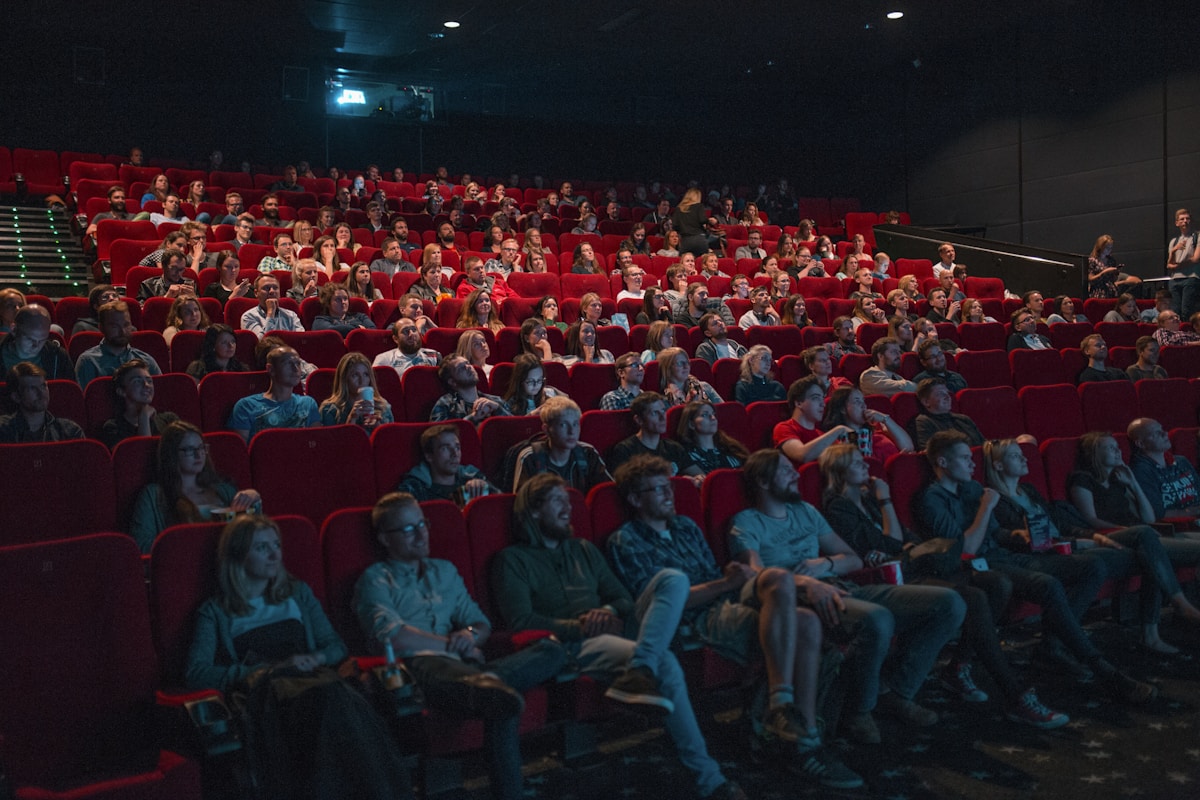
A movie trailer is a peculiar art form. In roughly ninety seconds to two and a half minutes, it must introduce characters, establish tone, tease conflict, and generate excitement — all without revealing too much. Get it right, and a trailer can turn an unknown film into a must-see event. Get it wrong, and even a masterpiece can die before it reaches theaters.
The craft of trailer editing has evolved dramatically since the early days of cinema, when coming attractions were little more than title cards and random scenes strung together. Modern trailers are meticulously constructed pieces of marketing art, assembled by specialized firms that employ some of the most skilled editors in the entertainment industry.
The structure of an effective trailer follows principles that are surprisingly consistent across genres. The opening seconds must hook viewers immediately — a striking image, a provocative line of dialogue, or a musical cue that signals something extraordinary is coming. The middle section builds tension and introduces the central conflict, while the final act delivers the emotional or spectacle-driven payoff that sends audiences rushing to buy tickets.
Music is arguably the most important element in a trailer’s arsenal. The right musical choice can transform mundane footage into something that feels epic, while the wrong track can undermine even the most spectacular visuals. Trailer music has become its own industry, with composers creating original scores specifically designed for preview use rather than relying on tracks from the film itself.
The digital age has transformed how trailers reach audiences. Where once a trailer played exclusively before other films in theaters, today’s previews debut online and are dissected frame by frame within hours of release. Social media reactions to trailers can shift a film’s fortunes overnight, with view counts and engagement metrics serving as early indicators of commercial potential.
The trailer’s relationship with spoilers has become an increasingly contentious issue. Audiences want to be intrigued but not informed, excited but not spoiled. Some studios have responded by creating trailers that deliberately mislead, using footage that does not appear in the final film or presenting scenes out of context to preserve surprises.
As the film industry continues to evolve, the trailer remains one of its most powerful tools. In an era of infinite entertainment options, those ninety seconds may be the only chance a film gets to make its case. The art of the movie trailer has never been more important — or more difficult to master.