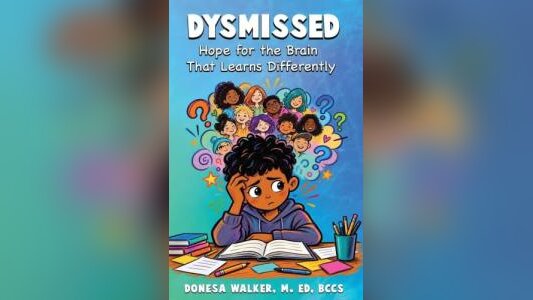
When a child’s struggles go unexplained for years, the hardest part is often knowing what to do first. Donesa Walker’s new book, Dysmissed, tackles that exact moment of uncertainty with a blend of real-life family accounts and concrete guidance.
For families confronting a fresh diagnosis or a long history of concerns that never seemed to get anywhere, the first hurdle is simply figuring out where to start. Dysmissed by Donesa Walker targets that very beginning, offering a step-by-step path forward alongside the voices of families who have lived it. The guide’s core mission is straightforward: helping readers move from a frustrating search for answers to the actual phone calls, evaluations, and support decisions that come next.
The book’s practical section opens with making that initial phone call and then walks readers through the entire evaluation process. This structure puts real emphasis on the early stages, not just on life after a diagnosis is delivered. It’s written for two distinct audiences: those who have just received answers and those who are still wondering if something is wrong at all.
Also worth a look: Marcus T. Brooks fights online HIV rumor, flags decade-old email account as possible mix-up source and Deborah Ann Mack urges early custom fashion planning for holiday season.
Legal rights and a comprehensive accommodations guide form another key pillar of the book. These topics push the scope well beyond simply spotting a problem or getting a formal evaluation. For parents researching a child’s needs, this means questions about legal protections and classroom accommodations are addressed in the same volume as the practical startup advice, rather than being treated as separate, harder-to-find subjects.
Dysmissed also introduces two original concepts—Mind Shame and Dystress—and grounds them in everyday life. The book uses the dinner table as its touchstone for explaining these ideas, making them feel familiar rather than like clinical jargon. This focus on recognition pairs naturally with the more procedural sections on phone calls, evaluations, and legal rights.
Interspersed throughout are stories from actual families, including some who nearly gave up entirely. These narratives offer a human counterpoint to the more instructional chapters, giving space to the emotional weight that often comes before any answers arrive. Readers who are tired of waiting or have felt unheard are a clear audience for this book, as are those just beginning to adjust to a recent diagnosis.
A dedicated study-skills toolkit adds a practical learning dimension, while separate discussions of brain training, tutoring, and medication round out the support options available to families. The book takes on all three subjects, refusing to narrow its focus to just one type of intervention. Combined with the accommodations material, these sections extend the guide’s usefulness well past the initial evaluation phase, covering tools and choices readers may need to explore later.
Walker’s own motivation is deeply personal: she wrote the book she wishes someone had handed her family decades ago. That intent links the family stories to the practical steps, making Dysmissed a source of direction rather than another voice telling parents to simply try harder. For anyone seeking both validation of their experience and concrete information, the book’s mix of stories, explanations, and resources keeps the focus squarely on what to do next.
Donesa Walker is the author of Dysmissed, a practical guide for families seeking answers and support for a child’s needs.
Available now. Get your copy here:
https://www.amazon.com/dp/B0HKQ4MT43
For review copies, interview requests, or additional information, please contact:
Donesa Walker
BrightKey PR
media@brightkeypr.com
Why it matters: This book speaks to a gap that many parents know too well—the period of limbo between suspecting a problem and getting real help. By pairing emotional validation with legal and practical steps, Dysmissed offers a single resource for a journey that is often fragmented and overwhelming. For families exhausted by the search, it reframes the challenge from a dead end into a series of manageable actions.