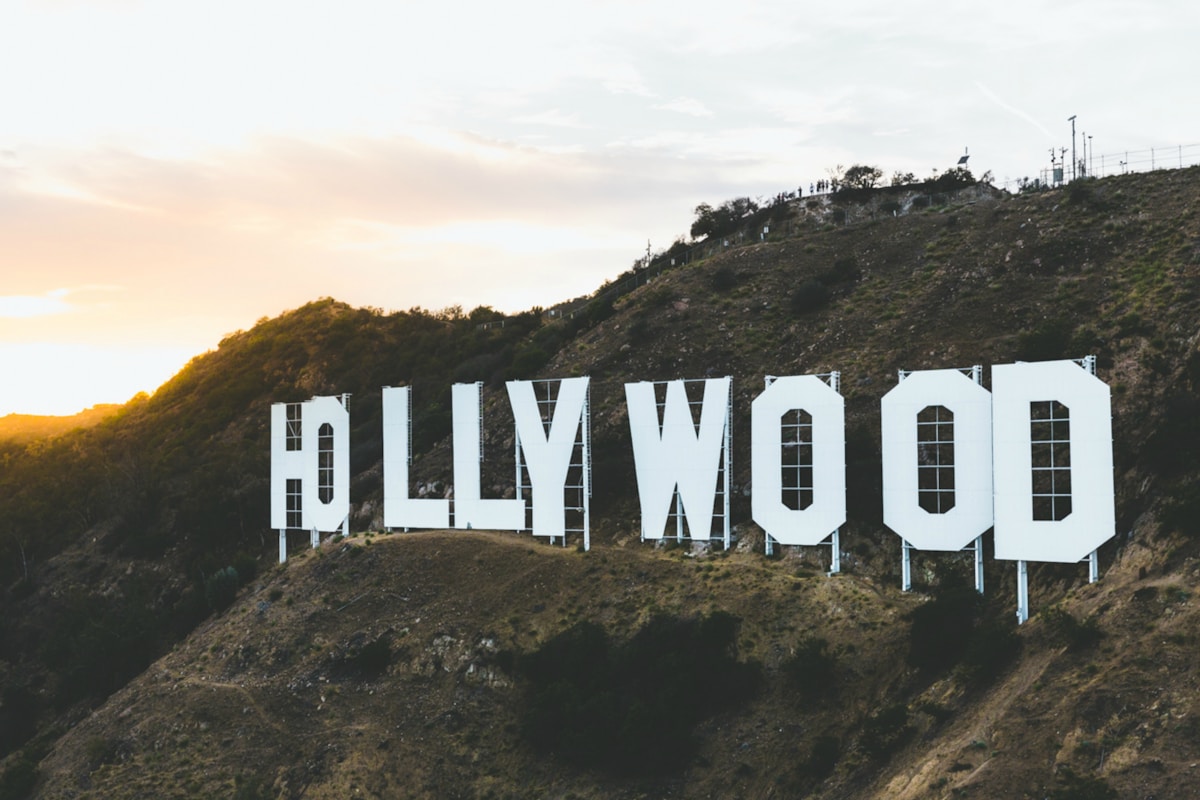
The traditional film premiere, a red carpet unfurled outside a grand movie palace in Hollywood or New York, is an institution as old as the studio system itself. But in 2026, the premiere is being reinvented. Studios and independent producers alike are discovering that where you debut a film can be just as powerful a marketing tool as the film itself, and the results are reshaping the economics of film launches.
The trend toward unconventional premiere venues has been building for several years, but this year has seen it accelerate dramatically. Films are premiering at racetracks, on aircraft carriers, in national parks, at historical landmarks, and in repurposed industrial spaces that bear no resemblance to traditional theaters. Each choice is calculated to generate the kind of social media content and press coverage that a standard red carpet event no longer reliably produces.
“The premiere is no longer just an event,” said entertainment marketing strategist Julia Torres. “It is a content opportunity. Every detail, the venue, the decor, the guest experience, is designed to create shareable moments that extend the premiere’s reach far beyond the people who physically attend.”
The economics make sense. A traditional Hollywood premiere costs between five hundred thousand and two million dollars and generates a predictable amount of press coverage that has diminishing returns in an era of content oversaturation. An unconventional premiere at a unique venue can cost the same or less while generating significantly more organic social media engagement, earned press coverage, and word-of-mouth excitement.
Location-specific premieres also create powerful narrative connections between the film and its subject matter. A racing film premiering at a speedway, a military drama debuting on a naval vessel, or a nature documentary launching in a national park creates a thematic resonance that reinforces the film’s identity in the public mind. The venue becomes part of the story, not just a place where the story was shown.
“When we premiered our film at the location where the real events took place, the audience reaction was fundamentally different from what we would have gotten in a screening room in Los Angeles,” said independent producer David Kim. “The place carried its own emotional weight, and that weight became part of the viewing experience.”
The trend has implications for communities that host these events. A high-profile film premiere can bring significant economic activity to a location, from hotel bookings and restaurant revenue to the longer-term tourism benefits of being associated with a successful film. Some local governments have begun actively courting film premieres as part of their economic development strategies, offering logistical support and venue access in exchange for the visibility that a major premiere provides.
For smaller, independent films with limited marketing budgets, unconventional premieres offer an opportunity to punch above their weight. A creative venue choice can generate attention that would otherwise require advertising spending well beyond an indie film’s means, leveling the playing field with studio releases that have multimillion-dollar marketing campaigns behind them.
As the film industry continues to evolve, the premiere is evolving with it. The red carpet is not dead, but it is no longer the only option. In an era where attention is the scarcest resource in entertainment, the smartest studios and filmmakers are discovering that the right location can be worth more than any marketing campaign.