The documentary film landscape on streaming platforms has undergone a quiet revolution, transforming how nonfiction stories reach audiences and challenging traditional assumptions about what documentary cinema can achieve commercially. In 2026, the most-watched documentaries are competing directly with scripted entertainment for audience attention, a development that would have seemed implausible just a decade ago.
True Crime Evolves
The true crime documentary, which has been the genre’s commercial backbone for several years, is showing signs of creative maturation. The most successful entries are moving beyond simple whodunit narratives toward more complex examinations of systemic failures, media complicity, and the ethical responsibilities of documentary filmmakers themselves.
A recent multi-part series that examines a miscarriage of justice through the perspectives of the wrongly accused, the prosecutors, the victims’ families, and the journalists who covered the case has been praised for its refusal to simplify a complicated story into heroes and villains. The series has become the most-watched documentary on its platform this year, suggesting that audiences are ready for nuance even within a genre often criticized for sensationalism.
Science and Nature Find New Audiences
Perhaps the most encouraging trend in streaming documentaries is the resurgence of science and nature programming. Several platforms have invested heavily in natural history content, producing films that combine breathtaking cinematography with compelling narrative structures that make scientific concepts accessible without dumbing them down.
A feature-length documentary about deep-sea ecosystems, shot using revolutionary camera technology capable of operating at extreme depths, has generated the kind of social media buzz typically reserved for fictional blockbusters. Its success has prompted multiple platforms to greenlight ambitious science documentaries that might have been considered too niche for mainstream distribution.
Artistic Documentaries Break Through
The streaming era has also provided a home for more experimental documentary approaches. Personal essay films, observational cinema, and hybrid documentary-fiction projects are finding audiences on platforms that can afford to serve niche tastes alongside mass-market content. These films may not generate the viewership numbers of true crime series, but they contribute to the cultural prestige that platforms increasingly value as a differentiator.
The Theatrical Question
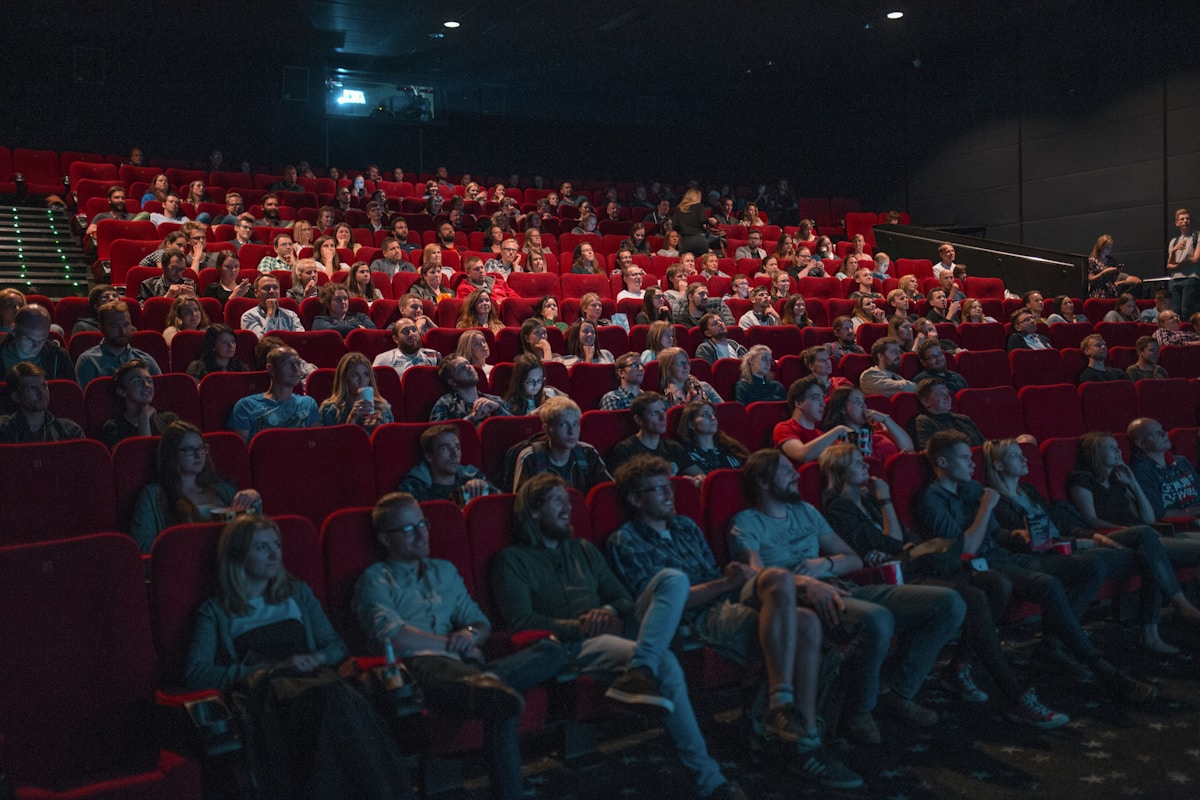
While streaming has become the primary distribution channel for documentaries, theatrical screenings remain important for prestige projects seeking awards recognition. The hybrid model of limited theatrical release followed by streaming debut has become standard for documentaries with awards ambitions, providing the festival exposure and critical attention that fuel campaigns while ensuring broad audience access.
For documentary filmmakers, the streaming revolution has been overwhelmingly positive, providing funding, distribution, and audiences at a scale that the theatrical-only model could never have supported. The result is a documentary landscape richer and more diverse than at any point in the form’s history.